What is Meditation?
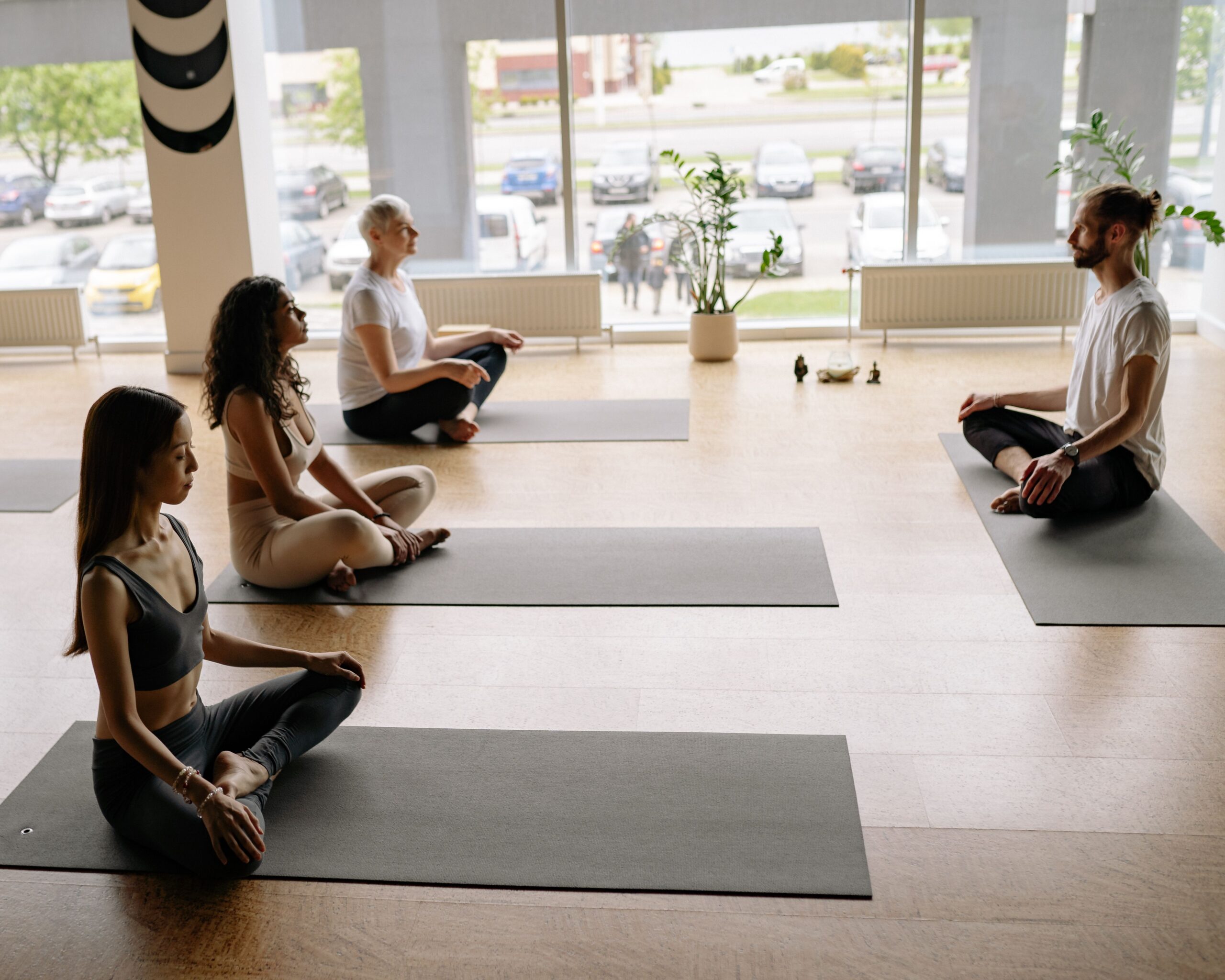
What does meditation mean, exactly? Simply put, meditation is a practice that relaxes the body and calms the mind. Many people picture monks sitting silently for hours, but in truth meditation looks different for everyone. I like to think of it as an opportunity to focus your mind and attention toward yourself. You create space to be present, while eliminating outside noise and distractions. You don’t need candles or a special room. You just need a few quiet minutes and a willingness to slow down.
The Basics of Meditation
These meditation basics apply no matter which technique you choose. Meditation combines a few simple elements: a comfortable position, steady breathing, and a quiet focus point. Some people choose to focus on their breath. Some people repeat a calming word or phrase to help ease their tension. Some simply observe their thoughts, while careful to not judge them. None of these approaches is more “correct” or “optimal” than another. The right method is the one that feels natural to you.
Subscribe to our mailing list below and receive a free guided meditation exercise that will blow your mind! (pun intended)
Finding a Comfortable Position
The main thing to keep in mind is being comfortable and being in a position relaxed enough to focus. your mind can't settle down if tension or an awkward position distracts you. Some people choose to sit upright in a chair. Some people lie down on the floor or on a mat. Whatever is comfortable for you at the end of the day is how you should meditate.
Positioning Your Arms and Legs
It is important to not cross your arms since this can close off the chest and cause physical tension. The traditional position for the legs is crossed, but this is optional. If you cross your legs, position your knees slightly lower than your hips. This will avoid some strain on your back. If crossing your legs feels uncomfortable, sit in a chair with both feet flat on the floor instead.
When Should You Meditate?
Whenever you want! Whenever you can! There is no single correct time. Some like to meditate first thing in the morning, before the demands of the day take over. Others prefer to have sessions in the evening to help them unwind before sleep. Try meditating around the same time each day if you can, consistency is key.
"Mindfulness isn't difficult, we just need to remember to do it." – Sharon Salzberg
Getting Started
If you're ready to try meditation, start small. Meditation for beginners doesn't need to be complicated. Even just a few minutes a day is enough to see a noticeable difference. Once you're comfortable with the basics, explore our meditation techniques guide for different breathing methods and styles to try. You can also read about the benefits of meditation if you want to understand why this simple habit is worth the time.